
How we approach pressure washing services and client relationships
We focus on doing pressure washing work properly. That means using appropriate equipment for each surface type, following systematic cleaning processes, and being straightforward about what we can accomplish.
We match pressure settings and cleaning methods to surface materials. Vinyl siding gets low pressure. Concrete driveways can handle higher PSI. We adjust our approach based on what we're cleaning, not using the same settings for everything.
Our technicians know how to identify surface materials, recognize potential damage, and select appropriate cleaning techniques. Training covers equipment operation, surface science, and safety protocols.
Every job follows the same sequence: assessment, preparation, pre-treatment when needed, pressure washing, and final inspection. Consistency produces reliable results.
We explain what we'll do, how long it takes, and what results to expect. If we find issues during assessment, we discuss them before starting work. No surprises.
We protect landscaping, cover electrical fixtures, and move items that could be damaged. Taking time to prepare the area properly prevents problems.
We show up when scheduled. If weather forces a change, we contact you immediately to reschedule. Your time matters.
Different materials require different approaches. Here's how we adjust our methods based on what we're cleaning.
Soft washing technique with 500-1000 PSI. Chemical pre-treatment for mold and algae. Bottom-to-top application, top-to-bottom rinse to prevent streaking.
3000-4000 PSI with surface cleaner attachment for even coverage. Degreaser pre-treatment for oil stains. Hot water for stubborn organic matter.
1200-1500 PSI following wood grain direction. Brightening solution after cleaning. Gentle approach to avoid furring or damaging wood fibers.
800-1200 PSI to avoid surface damage. Specialized composite cleaners. Fan tip nozzle for broad, gentle coverage.
2000-2500 PSI with careful attention to avoid aggregate displacement. Degreaser for oil spots. Lower pressure on older, weathered asphalt.
1500-3000 PSI depending on mortar condition. Test spot to check mortar integrity. Avoid direct pressure on deteriorated joints.
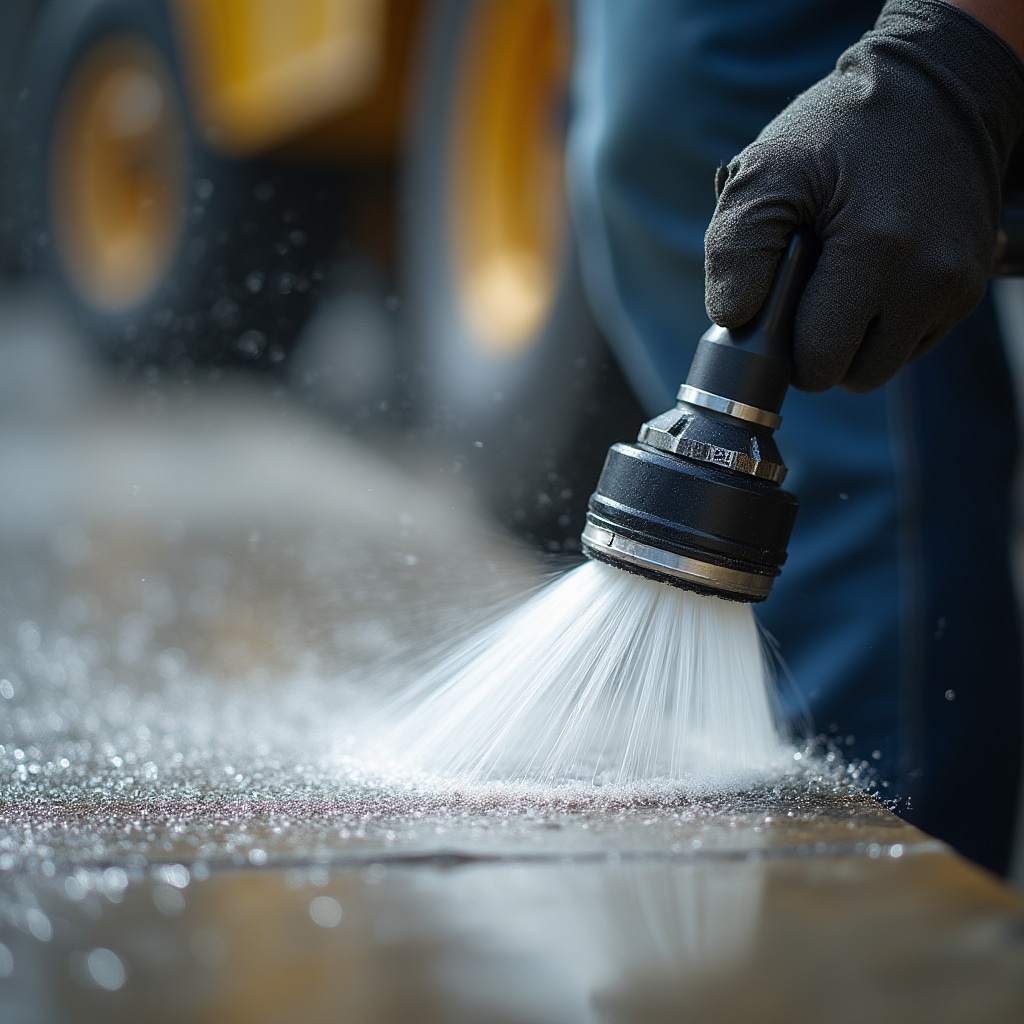
Technicians wear appropriate protective equipment. Eye protection, non-slip footwear, and hearing protection when operating high-pressure equipment. Proper training reduces injury risk.
We cover electrical outlets, move vehicles from the work area, protect windows and doors, and secure loose items. Preparation prevents accidental damage to your property.
Plants near work areas are pre-watered and covered when using cleaning chemicals. We rinse vegetation after completing work to remove any chemical residue.
We use water efficiently and direct runoff appropriately. Chemical cleaners are used only when necessary and in minimal amounts. Proper dilution and application reduce environmental impact.
Cleaning solutions are chosen based on the specific contaminant and surface type. We use biodegradable products when possible and follow manufacturer dilution guidelines.
Technicians identify potential hazards before starting work. This includes checking for loose siding, damaged surfaces, underground utilities, and electrical fixtures in the work area.
Contact us to discuss your specific pressure washing needs and how we'll handle your property.